

I could not believe it. Armenians experienced a new genocide. In 2023 Azerbaijan removed the entire Armenian population of Nagorno-Karabakh from its ancestral homeland and, as in 1915, imprisoned its leaders. On September 22, 2023, the UN Special Adviser on the Prevention of Genocide warned of “the risk of genocide” in Nagorno-Karabakh, triggering the obligation of 153 nations to prevent it.
The issue received attention in Western media for a few weeks, it was called an ethnic cleansing, but following the Hamas attacks and Israel’s military response, it disappeared from the headlines.
Next May there will be an opportunity to put back Nagorno-Karabakh people’s rights in the international agenda.
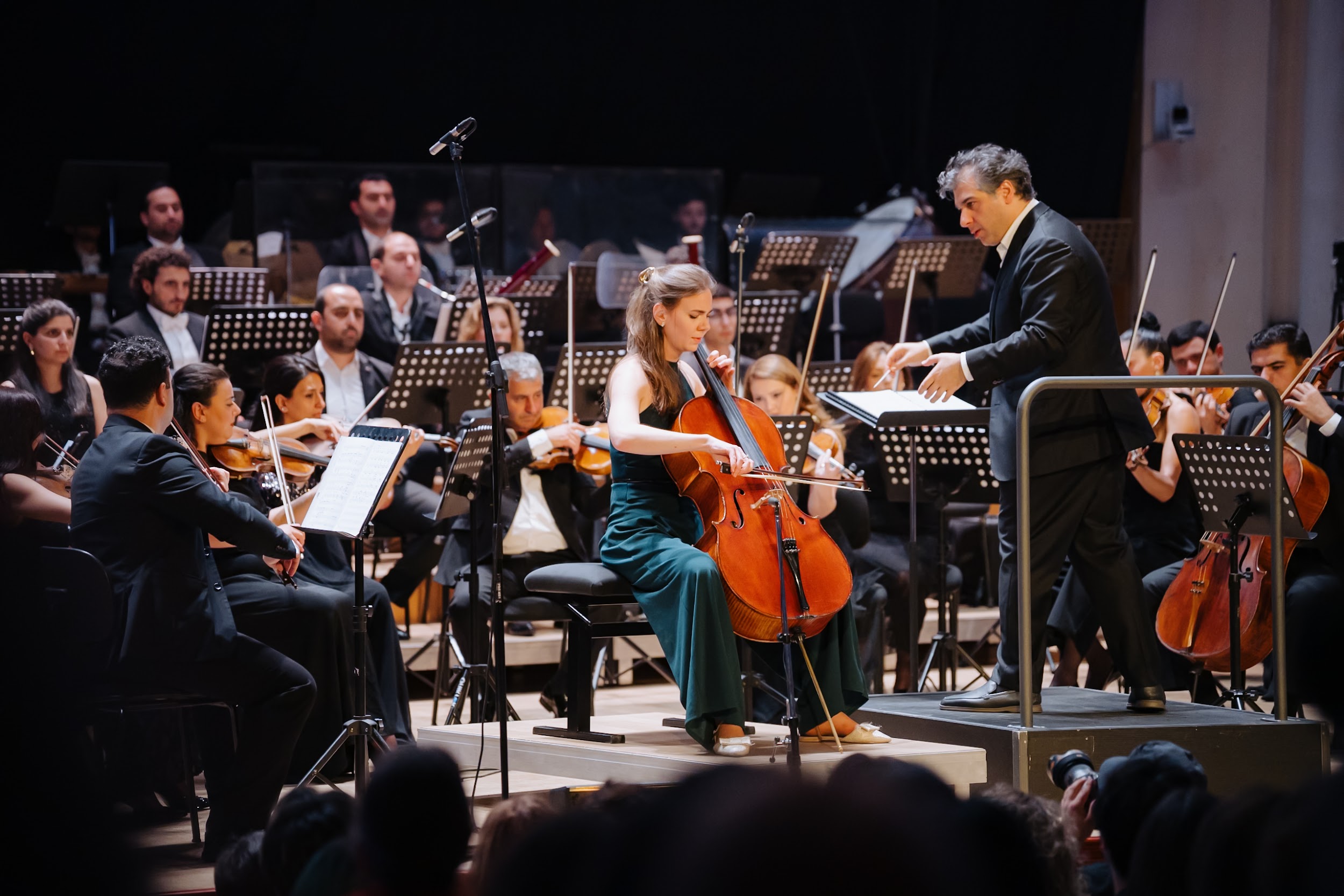
On 4 May 2026, more than forty national leaders from Europe—including non-EU countries such as the United Kingdom, Norway, and Switzerland—will gather in Yerevan to participate in the 8th European Political Community (EPC) Summit. The goal is “to coordinate responses to shared strategic challenges.” The following day will see the first-ever Armenia–EU Summit, attended by the leadership of the EU institutions, to deepen Armenia’s integration with Europe.
Nagorno-Karabakh is absent from the meetings’ agenda. Yet it will inevitably be present. European leaders will confront the reality of 120,000 people who were forcibly removed from their ancestral land and who now live in or around Yerevan. Their staff will prepare their positions in the coming weeks. This is the time to engage them—to explain the problem, to demand actions and to request concrete assistance.
There is a precedent. On November 2024, COP 29 was organized by President Aliyev aiming to host world leaders in Baku and strengthening his geopolitical position. Thousands of Armenians started a social media campaign demanding a) respect for Armenia integrity threatened by Azerbaijan, b) to release the Armenian hostages imprisoned in Baku, and c) to respect Nagorno-Karabakh’s people rights. They partially succeeded; the first two issues were included in the Western agenda and Aliyev opened the inaugural ceremony complaining about the absence of “Western leaders” affected by a “very well-orchestrated campaign.”
One of the hidden goals of the May meetings seem to be protecting Armenia’s sovereignty and territorial integrity. Since 2022, Aliyev has repeatedly called for the “return to Western Azerbaijan,” threatening military occupation of certain parts of Armenia. But, on August 8, 2025, Armenia and Azerbaijan signed an agreement in Washington recognizing the borders defined during the Soviet Union and committing to refraining from the use of force and from intervening in each other’s internal affairs.
The European presence in Yerevan aims to support this agreement and to end Azerbaijani threats and possible actions against Armenia.
The agreement did not include the release of Armenians from Nagorno-Karabakh—including its former leaders—who have been convicted in military courts, a basic violation of human rights. However, Armenian authorities affirmed that the issue of the detained individuals remains part of their agenda. President Trump promised to work on it, and Vice President Vance demanded their release during his February 2026 visit to Armenia and Azerbaijan.
Under current circumstances the rights of the people of Nagorno-Karabakh, including their right of return to their homes, are not formally included in the agreement. Prime Minister Nikol Pashinyan himself conceded that “without closing the Karabakh issue, peace is impossible.”
The rights of Nagorno-Karabakh’s people are not exclusively an Armenian problem. Genocide denial affects non-Armenians as well, including myself. It affects the foundations of civilization. It is another challenge to the international legal system affecting humanity possibility to live in peace.
In 1948, Raphael Lemkin, moved the UN General Assembly to adopt the Genocide Convention adopting the duty to intervene when a state committed genocide against its own people. The convention was presented as a “Universal Charter for Life and Culture.” Eighty years later, Life and Culture is under attack.
Why should Europe listen and act?
The European Union was founded “on the values of respect for human dignity, freedom, democracy, equality, the rule of law and respect for human rights” (Article 2 of the EU Treaty), and these values are a core part of the EU Charter. In addition, all European countries are members of the Genocide Convention and, according to its Article 1, they have the duty to “prevent” genocide.
Europeans’ compliance with their legal framework has been inconsistent. They denied genocide, Azerbaijan’s actions against Armenians rights and their obligations to prevent genocide. To improve such compliance, we should present the problem and remember previous decisions.
On September 21, 2023, Europeans led a special UN Security Council meeting in response to Azerbaijan’s bombing attack against Nagorno-Karabakh. France’s Minister for Europe and Foreign Affairs opened the discussion. She was unequivocal:
“What is at stake is the possibility for the Armenian population of Nagorno-Karabakh to be able to continue to live there with respect for their rights, their history, and their culture. Such a guarantee cannot exist when the strongest exercise deliberate coercion on the weakest.”
Highlighting the importance of the meeting for Europe, the Ministers of Foreign Affairs from Malta, Albania, and Germany, as well as the EU High Representative for Foreign Affairs, voiced similar concerns and demanded negotiations between Azerbaijan and representatives of Nagorno-Karabakh.
The European Parliament has also kept the issue on its agenda. On October 30, 2025, the Political Committee of the Euronest Parliamentary Assembly adopted a resolution expressly recalling “the need to resolve the outstanding issues of Armenian prisoners in Azerbaijan and displaced Armenians from the former Nagorno-Karabakh autonomous region.”
More recently, on March 9, 2026, thirty-six members of the European Parliament, representing four different political groups, sent a letter to the EU High Representative for Foreign Affairs, Kaja Kallas, expressing concern about “the continued denial of the rights of Armenians from Nagorno-Karabakh, including the absence of any credible framework for the right of return and the lack of mechanisms for economic compensation or reparation for displaced persons.”
They called for “a comprehensive review of the application of the human-rights clause contained in the EU–Azerbaijan Partnership and Cooperation Agreement, in view of Azerbaijan’s persistent and serious violations of fundamental rights.” They also requested sanctions against Azerbaijan and members of the regime, that should include the EU Global Human Rights Sanctions Regime (launched in 2020) for genocidal acts committed against Armenians.
The illegal conviction of Armenians from Nagorno-Karabakh in Baku and the absence of tangible progress on the right of return are not separate issues. They are part of a broader pattern: the denial of Nagorno-Karabakh genocide and the attempt to erase its Armenian population from history. The existential threat to Armenia itself did not end, and neither the ethnic cleansing. Last January, according with public sources, the last 10 Armenians that remained in Nagorno-Karabakh left. In addition, there is a consistent policy to destruct Nagorno-Karabakh’s Christian Armenian cultural and religious heritage.
To release the hostages and to find forms to protect Armenia and respect Nagorno-Karabakh people, a new social media campaign is coming:
# EuropeanPoliticalCommunity
#FreeArmenianHostages
#EUrespectEUCharter
By reposting or commenting we can participate in the protection of Nagorno-Karabakh people rights.
We can participate in ending the denial of the 2023 Armenian genocide.
Protecting Armenians is protecting civilization.